
Commercial properties across Nashville see constant traffic from customers, staff, and delivery trucks, especially around areas like Green Hills and West End. That traffic creates real strain on pavement markings, and faded lines lead to confusion fast.
The core truth is professional line striping supports movement, safety, and compliance far beyond basic parking stalls. When we treat striping like an afterthought, properties lose efficiency and face avoidable risk.
This article breaks down the broader roles striping plays and how to choose the right approach for your site.
Key Takeaways
- Line striping supports safety, efficiency, and compliance on commercial lots.
- Nashville properties need markings built for local traffic patterns and weather.
- A customized layout depends on pavement condition, flow, and regulations.
- Regular maintenance keeps markings visible through heavy use and seasonal wear.
The Broader Functional and Safety Roles of Professional Line Striping
Line striping strengthens far more than parking stall organization. Across Nashville’s commercial properties, clear markings influence how people move, how vehicles circulate, and how safely emergency and service operations function.
Here are the key areas where effective striping makes a measurable difference:
Pedestrian Paths Support Safer Movement
Marked pedestrian paths help people navigate busy properties in areas like The Gulch or near Vanderbilt University Medical Center. Without clear walk lanes or crosswalks, visitors step into live traffic zones, which increases accident risk.
Our crews often see retail centers where faded crosswalks create near misses at storefront entrances. Fresh, high-contrast striping defines where foot traffic should move and signals drivers to slow down.
A property functions better when people feel safe walking from their car to the door.
Fire Lanes and Emergency Access Protect Response Time
Fire lanes marked to Metro Nashville Fire Department standards make emergency access predictable. Many older commercial buildings in Midtown and Donelson have narrow drive aisles, so improperly marked zones can slow a fire engine or ambulance.
We reinforce these lanes with bold color and reflective beads so they remain visible during low light or Tennessee’s winter rain. Clear markings help responders move fast around tight corners.
When emergency paths stay open, businesses protect customers and reduce liability.
Loading Zones Improve Delivery Efficiency
Designated loading areas help keep delivery trucks out of customer lanes around industrial corridors like MetroCenter.
We often see logistics sites where drivers improvise stopping points because the loading zones have worn off. Strong markings reduce bottlenecks by guiding trucks to the right side of the building and keeping them clear of ADA routes.
Businesses avoid blocked entrances during morning deliveries. Precise zones also help carriers like FedEx and UPS complete routes faster.
ADA Compliance Ensures Accessible Navigation
Accessible stalls and access aisles support compliance with ADA requirements enforced across Davidson County. Older commercial lots near Nolensville Pike often need layout corrections to meet slope and width guidelines.
We mark stalls with the right color contrast and signage placement so visitors with mobility needs can exit vehicles safely. Proper marking also protects owners from violations and costly rework.
When ADA areas remain clear and correctly striped, customers experience smoother access.
Traffic Direction Reduces Collisions
Directional arrows and lane markings guide vehicles through tight or high-turnover areas like Berry Hill and Hillsboro Village. Missing arrows lead to sudden stops or wrong-way entries that put drivers at risk.
By standardizing the flow through entrances, exits, and drive aisles, we cut down on confusion during peak hours. These markings also support larger vehicles by defining turning radii.
Clear direction reduces fender benders and keeps the parking lot operating smoothly.
How To Determine the Right Line Striping Approach for Your Property
Before outlining a new striping plan, it helps to evaluate the core conditions and operational factors that shape how well your markings will perform and how effectively the layout will support the flow of your property.
Assess Pavement Wear
Pavement condition shapes how long new markings will last in commercial zones like Elm Hill Pike or Charlotte Avenue. Heavy truck traffic often creates rutting or surface cracks that weaken paint adhesion.
Our crews review oxidation, oil spots, and surface strength before planning a striping project. When the asphalt surface is prepped properly, the markings stay bright longer.
A clean and stable base helps control long-term maintenance costs.
Map Traffic Patterns
Understanding daily flow patterns helps shape a layout that supports real movement at your site. Retail centers near Opry Mills experience weekend surges that require wider drive aisles and clearer arrows. Office parks near Music Row see steady inbound and outbound traffic at peak times, making crosswalk placement critical.
By mapping turns, stacking zones, and peak entry points, we design markings that support predictable flow. A property operates better when drivers know exactly where to go.
Define Operational Needs
Every commercial site in Nashville functions differently, and the striping should support those needs. A restaurant on Demonbreun Street might require short-term pickup stalls, while a warehouse near Trinity Lane benefits from expanded truck staging lanes.
These operational priorities guide the spacing, angle, and labeling of each marking.
When the layout matches the use case, the site feels organized throughout the day. Customized striping reduces confusion for visitors and staff.
Apply Local and Federal Standards
Codes and guidelines shape how markings are placed, including ADA rules and Metro Nashville Fire Department requirements. We also factor in manufacturer standards from entities like Owens Corning on surface preparation and reflective media.
Properties in commercial improvement districts or professionally managed developments, such as Capitol View, may have additional layout expectations. Following these standards protects your operation from compliance issues.
A lot marked to code stays safer and avoids costly corrections.
Plan Seasonal Maintenance
Nashville’s humidity and heavy summer storms wear down markings faster on exposed surfaces. Lots in open commercial blocks of Antioch often fade quicker than covered parking decks downtown. Planning seasonal touch-ups keeps traffic paths clear through the wet months and high-heat stretches.
We suggest repainting before peak visibility issues hit, usually early spring or early fall. A seasonal maintenance plan preserves safety and clarity across the property.
Get Line Striping That Supports Your Entire Property
Property managers across Nashville deal with fading markings, confusing layouts, and rising safety risks. Those issues drain time and frustrate tenants. A clear, well-planned striping layout restores order and protects your operation.
At Nash Paving, we design and install commercial markings that improve flow, support compliance, and hold up in Nashville’s climate. Reach out to schedule a site visit and get a tailored line striping plan for your property.
Frequently Asked Questions
How often should I refresh line striping on a busy Nashville commercial lot?
Our team usually recommends refreshing markings every 12 to 18 months because Nashville’s humidity and traffic accelerate fading, especially near retail hubs like Charlotte Pike. Paint longevity depends on pavement condition, UV exposure, and the weight of vehicles using the lot. High-traffic loading zones typically need attention sooner.
Q: What paint type works best for commercial properties in Tennessee’s climate?
Our crews often use fast-dry acrylic or durable thermoplastic based on site conditions and Metro Nashville regulations. Thermoplastic holds up well in heavy truck areas like industrial parks near Briley Parkway. Acrylic works well for standard commercial lots with moderate traffic. The right choice depends on temperature swings and moisture levels.
How do I know if my ADA spaces meet the right standards?
Our inspections check stall count, width, slope, and access aisle markings to match ADA and Davidson County rules. Updated signage and proper striping improve accessibility for visitors. A review ensures compliance and avoids penalties.
Can line striping improve delivery flow at my warehouse?
A revised layout often helps delivery trucks move more predictably through tight service areas. Our plans mark staging lanes, turning points, and loading zones so drivers stay out of customer routes. Better markings reduce blocked doors and wasted time. A streamlined layout supports safer and faster operations.

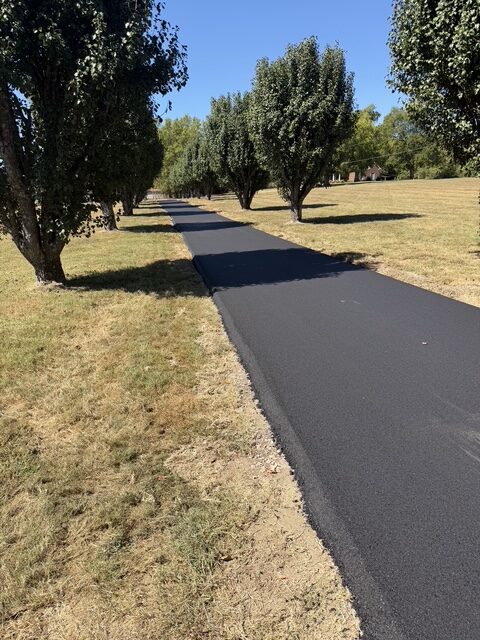
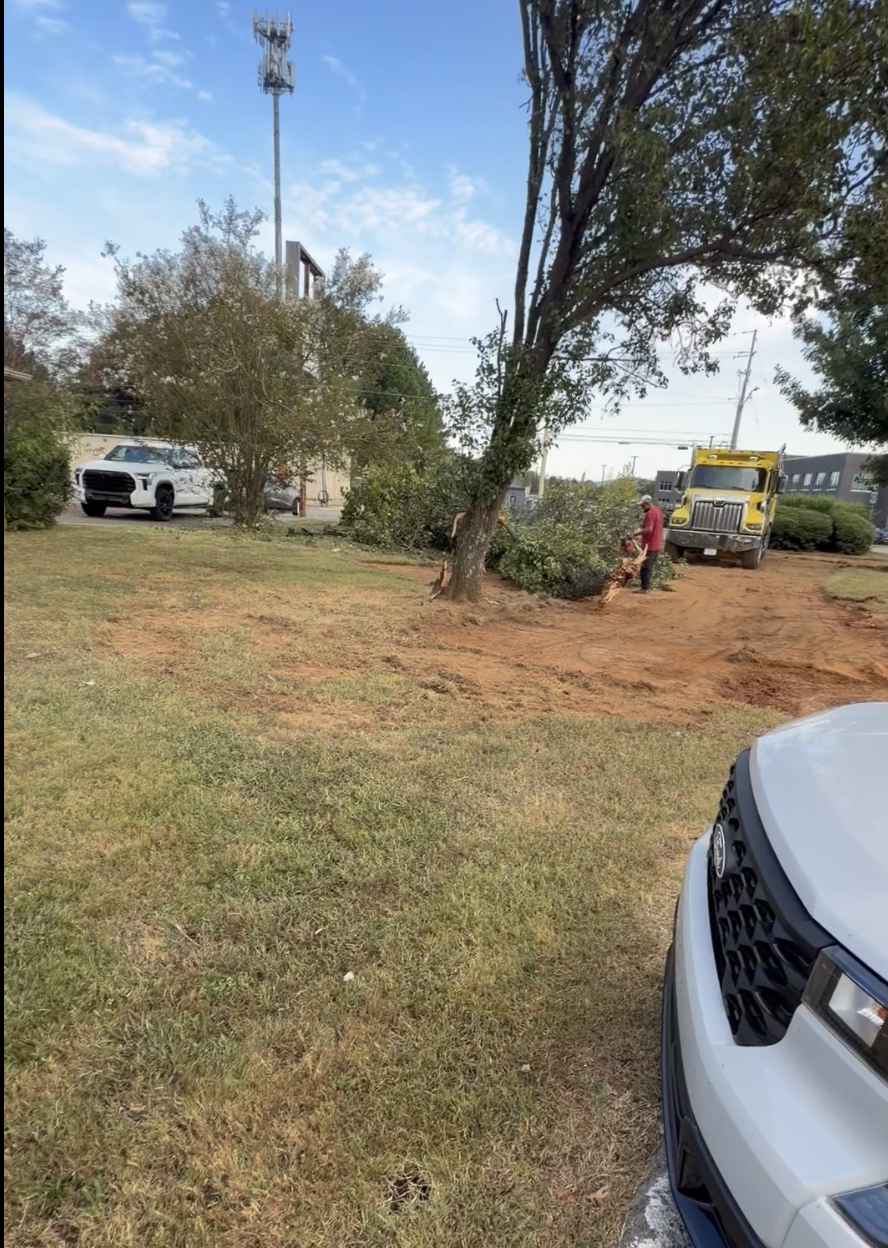
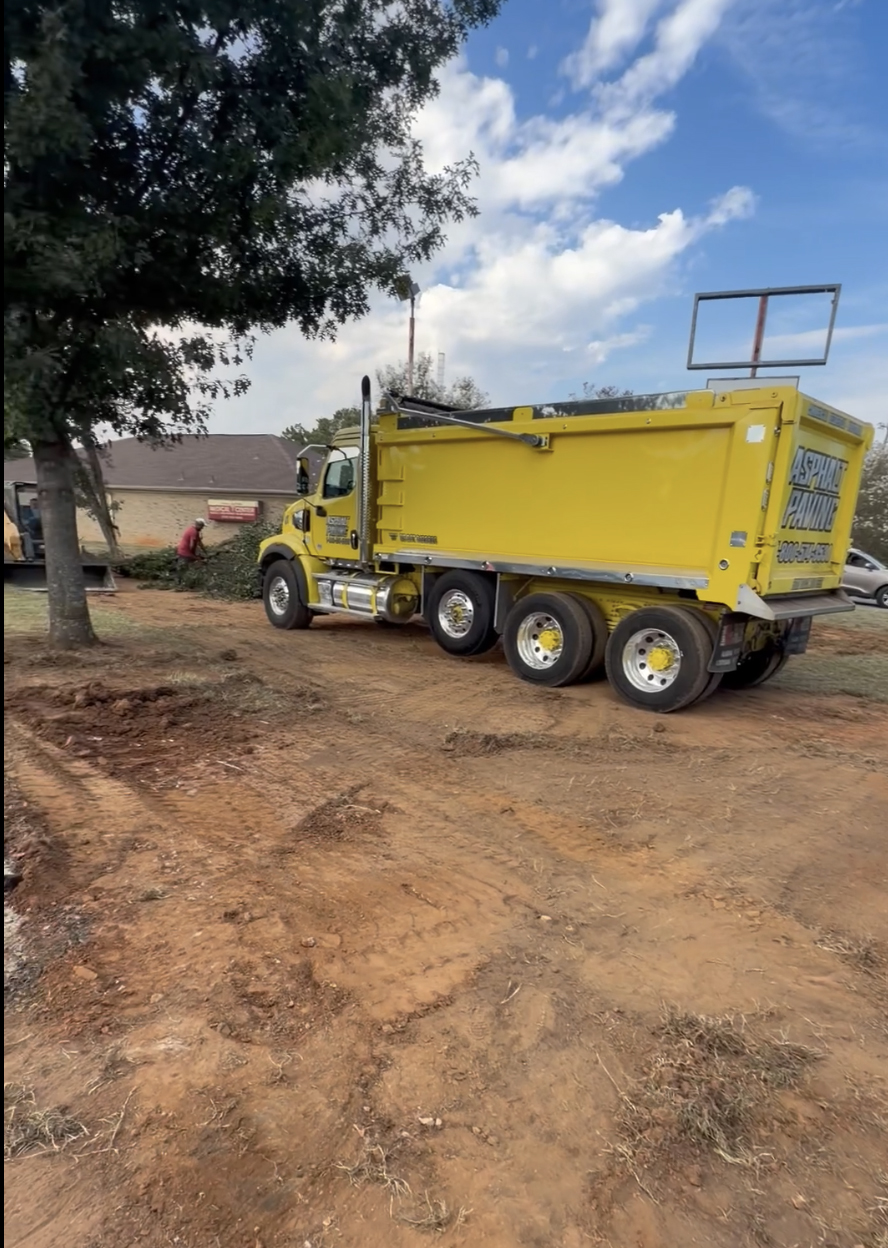
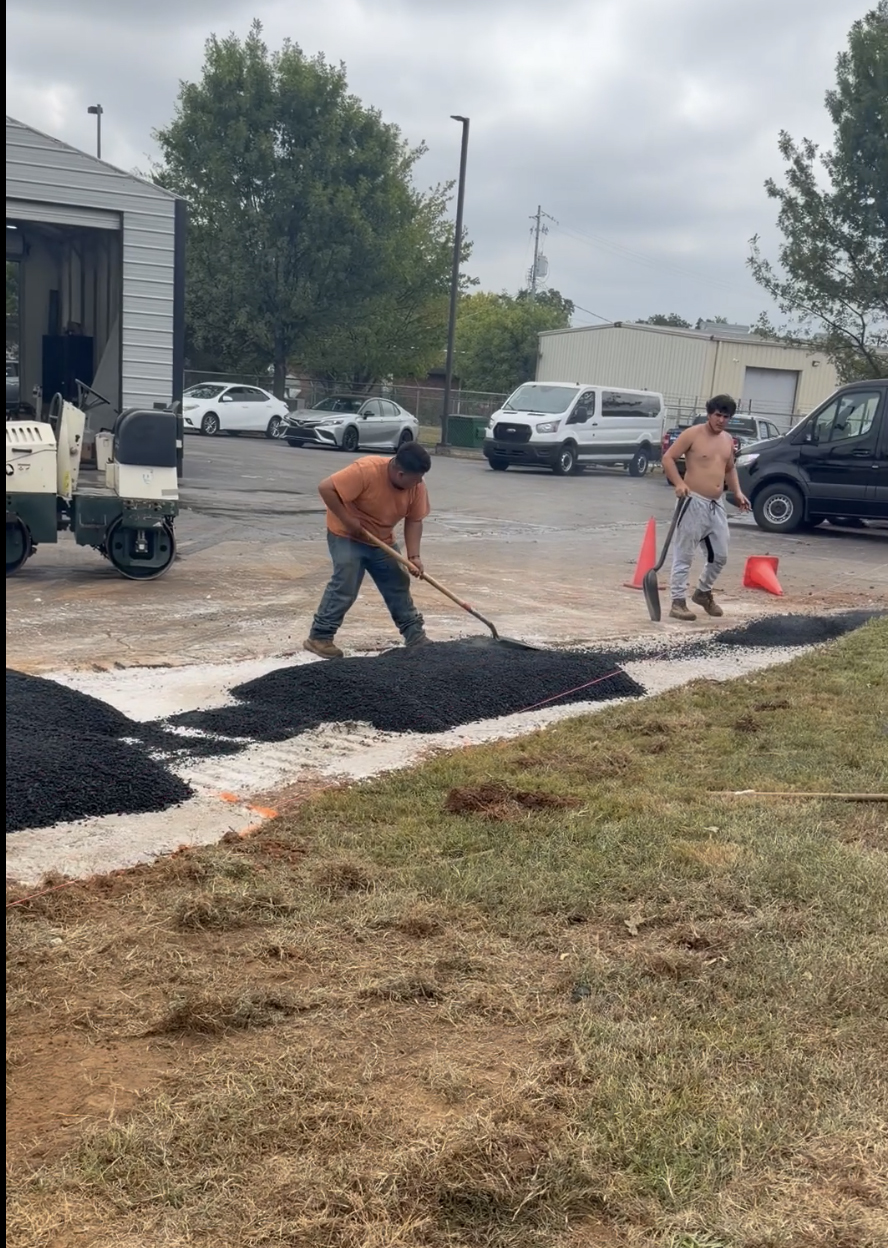
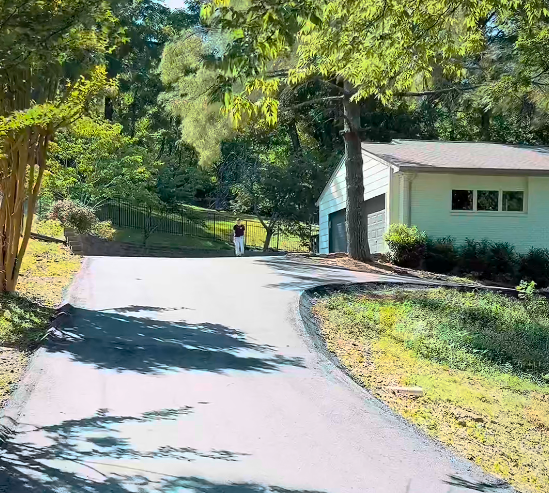
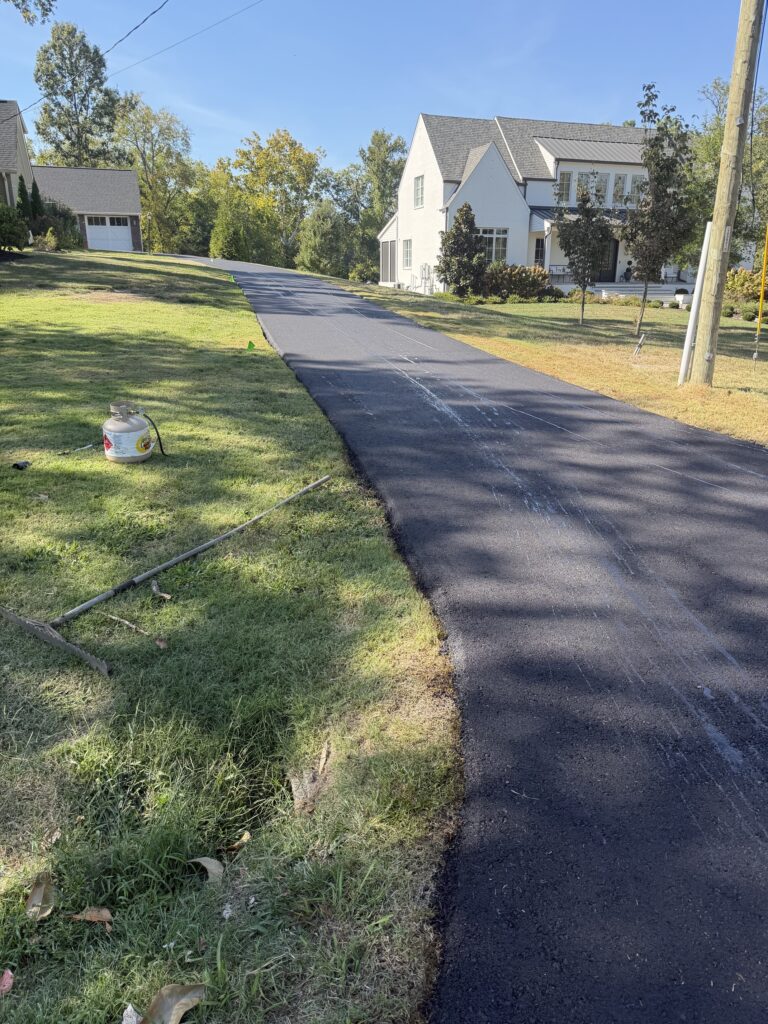 A homeowner in Brentwood, TN, was dealing with potholes in an existing asphalt driveway. Nash Paving completed the paving work at the property, where the driveway runs uphill toward a garage. The customer had reported the holes, and our work extended across the entire driveway rather than just the damaged spots.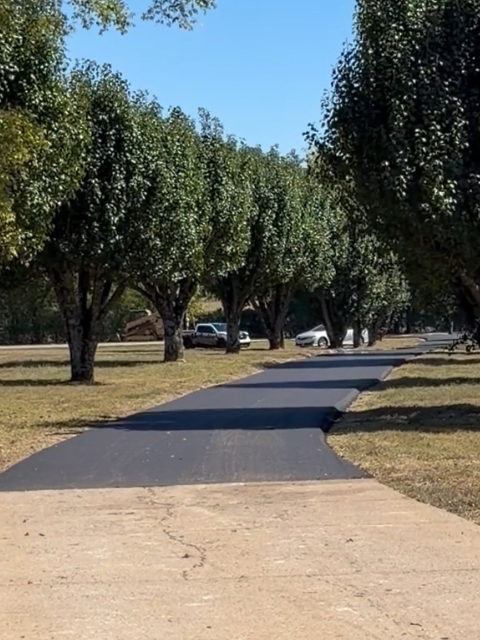
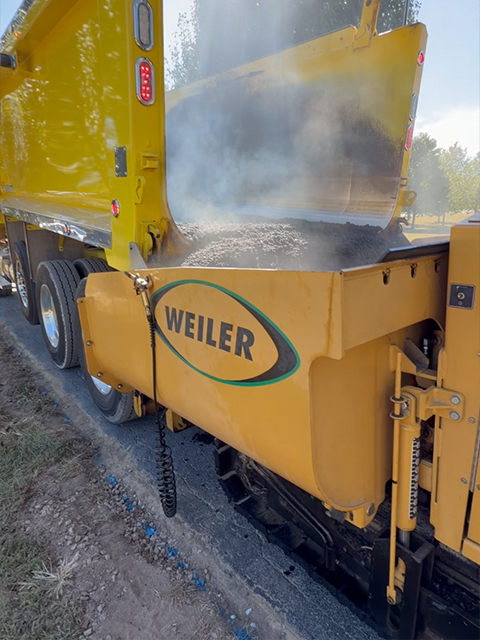
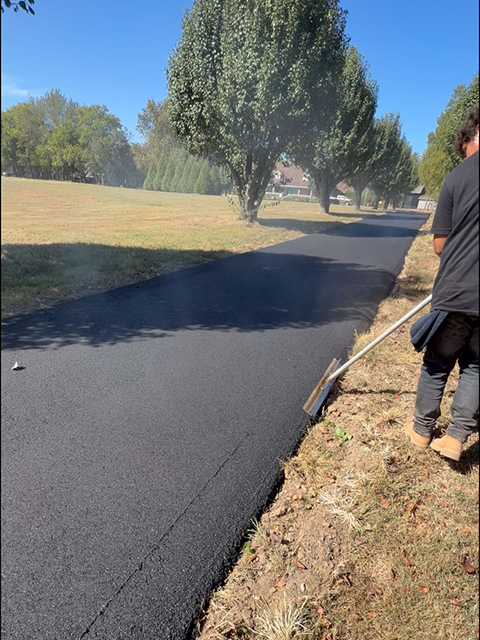
 For this
 A long driveway does a lot of quiet work. In
  If you manage commercial property in Nashville, you already know asphalt takes a beating here. Heavy traffic along corridors like Nolensville Pike, temperature swings from humid summers to freezing winter nights, and frequent rain all work cracks open faster than many managers expect.
 Choosing the right asphalt thickness is one of the most important decisions you will make on a commercial paving project.

