Archive for:

Author Archive for Admin

A Practical Guide to Parking Lot Crack Sealing for Property Managers

If you manage commercial property in Nashville, you already know asphalt takes a beating here. Heavy traffic along corridors like Nolensville Pike, temperature swings from humid summers to freezing winter nights, and frequent rain all work cracks open faster than many managers expect.

Crack sealing is one of the simplest ways to protect your parking lot investment, but only when it is done at the right time and with the right plan.

This guide explains when crack sealing makes sense in Middle Tennessee and how we help property managers budget, schedule, and select a contractor with confidence.

Key Takeaways

  • Crack sealing is most effective when performed early, before Nashville weather and traffic widen existing cracks.
  • Proper process includes cleaning, preparation, and use of flexible sealants suited to Middle Tennessee conditions.
  • Budgeting annually for crack sealing helps commercial properties avoid disruptive and expensive repairs.
  • Choosing a local contractor with Nashville experience reduces risk and improves long-term pavement performance.

When Crack Sealing Makes Sense in Nashville and What the Process Involves

Not every crack is the same, and not every parking lot is ready for sealing. Below are the most common Nashville-area scenarios where crack sealing delivers real value, along with the practical process involved in each case.

Early-Stage Longitudinal and Transverse Cracks

These are the straight cracks that form along paving seams or across drive lanes, often seen in office parks around Cool Springs or along Murfreesboro Pike. They usually measure under three-quarters of an inch wide and have not yet developed edge crumbling.

The process starts with routing or wire brushing to remove debris, followed by high-pressure air cleaning to ensure the crack is dry and free of dust. We then install a hot rubberized sealant that flexes with temperature changes, a key factor given Nashville’s freeze-thaw cycles. This approach keeps water out before the base layer is compromised.

Temperature-Driven Cracks After Winter

Nashville may not see northern-level winters, but repeated freezing nights still cause asphalt to contract. These cracks often appear in late winter or early spring in retail centers and medical office lots.

The process here includes inspecting for moisture intrusion after rain events, cleaning the cracks thoroughly, and applying sealant during moderate daytime temperatures.

Timing matters because sealant must cure properly before evening temperature drops. When done correctly, this process stabilizes the pavement ahead of heavy spring and summer traffic.

Cracks in High-Traffic Drive Lanes

Drive lanes near entrances, loading areas, and dumpster pads take concentrated stress, especially in properties near interstates like I-24 or I-65. Cracks in these zones tend to widen faster.

The crack sealing process often involves slightly wider routing to create a clean reservoir for sealant, ensuring it bonds to the asphalt walls. Traffic control planning is part of the process so tenants and customers can still access the property while work is completed in phases.

Cracks Before Sealcoating Cycles

Many Nashville property managers plan sealcoating every two to three years, depending on usage and exposure. Crack sealing should always happen first.

The process includes mapping all active cracks, sealing them, allowing proper cure time, and then applying the sealcoat. This sequence prevents cracks from reflecting back through the surface coating, a common issue in older retail plazas around West End Avenue.

Parking Lots With Good Structural Base

Crack sealing makes sense when the asphalt base and subgrade are still sound. We often see this in newer office developments or lots built to handle delivery traffic.

The process includes visual inspection and, when needed, limited probing to confirm the base is intact. Once verified, sealing the cracks extends the pavement’s life and delays the need for more disruptive repairs.

How to Budget, Schedule, and Choose the Right Crack Sealing Contractor for Your Property

Crack sealing is a maintenance decision as much as a repair decision. These steps help Nashville property managers plan smartly and avoid wasted spend.

Build Crack Sealing Into Annual Maintenance Budgets

For most commercial properties in the Nashville area, crack sealing is a predictable line item. Budget estimates typically range from one to three dollars per linear foot, depending on crack width, preparation needs, and access constraints. Older lots near downtown or areas with heavier delivery traffic often fall toward the higher end.

Planning for crack sealing annually or every other year helps spread costs and avoids emergency repairs that disrupt tenants.

Schedule Around Weather and Tenant Activity

Middle Tennessee weather plays a big role in scheduling. Crack sealing requires dry pavement and moderate temperatures, which makes spring and fall ideal. Summer work is possible, but must account for afternoon heat and curing times.

From a tenant perspective, we coordinate work outside peak business hours when possible, especially for restaurants, churches, and retail centers. Proper scheduling minimizes complaints and keeps your property operating smoothly.

Understand Scope Before Approving Work

Not all proposals are equal. A proper crack sealing scope should identify crack types, preparation methods, sealant materials, and traffic control plans.

In Nashville, properties subject to Metro inspections or shared access agreements benefit from clear documentation. Knowing exactly what is included helps you compare bids and avoid change orders later.

Verify Materials and Application Standards

Quality sealants matter in our climate. Rubberized, hot-applied materials that meet industry standards perform better during Nashville’s temperature swings and heavy rain events.

The application should follow the manufacturer’s guidelines for depth, width, and cure time. Asking contractors about their materials and installation process is a practical step, not a technical one.

Choose a Contractor Familiar With Local Conditions

Local experience matters. Contractors who regularly work in Nashville understand soil conditions, drainage challenges, and access issues common to properties near hills or older infrastructure. We also stay aligned with Metro Nashville codes and site safety expectations, which reduces risk for property managers overseeing multiple locations.

Schedule a Crack Sealing Assessment for Your Property

Cracks do not fix themselves, and in Nashville, they usually grow faster than expected. Left unsealed, they allow water into the pavement structure, leading to potholes, base failure, and costly patching.

At Nash Paving, we help property managers take a proactive approach with clear scopes, realistic budgets, and scheduling that respects tenant operations. If your parking lot is showing early signs of cracking, now is the right time to plan the next step.

Contact us to schedule a site walkthrough and get a clear, property-specific recommendation.

Frequently Asked Questions

How do we know if our parking lot cracks are still sealable?

Assessment typically focuses on crack width, edge condition, and base stability, which we evaluate during a site walkthrough. Cracks wider than about one inch or with severe edge failure may require patching instead. Local drainage patterns and recent rain history in Nashville are also considered before making a recommendation.

How long does crack sealing take for a commercial lot?

Most projects take one day or less, depending on the amount of cracking and traffic control needs. Cure times vary by material, but many lots can reopen within the same day. Scheduling around Metro Nashville business activity and tenant hours is part of the planning process.

What materials are commonly used for crack sealing in this area?

Hot-applied rubberized sealants that meet ASTM standards are commonly used because they flex with temperature changes. These materials perform well in Nashville’s freeze-thaw cycles and high summer heat. Selection also depends on crack size and traffic load.

Does crack sealing require permits or inspections?

Crack sealing itself typically does not require permits, but properties with shared access or work near public rights-of-way may have coordination requirements with Metro Nashville. Proper traffic control and safety compliance are part of our standard process to keep projects inspection-ready.

How to Choose the Right Thickness for Commercial Asphalt Paving

Choosing the right asphalt thickness is one of the most important decisions you will make on a commercial paving project.

In Nashville, TN, pavement failures often trace back to under-designed sections that could not handle real traffic loads, heat, or poor subgrade conditions. We see this along busy corridors like Murfreesboro Pike, Nolensville Pike, and around industrial parks near I-40 and I-24. The goal is not just meeting minimum standards but building pavement that performs for years under Middle Tennessee conditions.

Below, we break down how we approach thickness decisions at Nash Paving and what you should evaluate before moving forward.

Key Takeaways

  • Commercial asphalt thickness should be based on traffic loads, soil conditions, and long-term use.
  • Nashville’s clay soils and climate often require thicker sections for durability.
  • Base depth and drainage are just as important as asphalt thickness.
  • Investing in proper thickness reduces maintenance costs and operational disruptions.

Evaluate Traffic Loads and Usage Patterns

The first step is understanding what will actually use the pavement.

A retail strip center in Antioch with constant delivery trucks needs a different section than an office park in Green Hills with mostly passenger vehicles. Daily traffic counts, truck frequency, axle loads, and turning movements all affect thickness.

Areas like dumpster pads, loading docks, and fuel lanes typically require thicker asphalt due to slow-moving, heavy loads that stress the pavement more than straight-through traffic.

Review Subgrade and Soil Conditions

Nashville’s clay-heavy soils are a major factor in pavement design.

Expansive clay, common throughout Davidson County, holds moisture and can shift seasonally, especially after heavy rain events. We evaluate subgrade strength and drainage potential before recommending thickness.

A weaker or moisture-prone subgrade requires thicker asphalt or additional base layers to prevent rutting and cracking over time, particularly in low-lying commercial parcels near Mill Creek or flood-prone zones.

Consider Base Course and Aggregate Depth

Asphalt thickness cannot be evaluated in isolation.

The stone base beneath the asphalt plays a critical role in load distribution. In warehouse districts near MetroCenter or along Trinity Lane, heavier truck traffic often means a thicker aggregate base paired with increased asphalt depth.

Skimping on base material may lower upfront costs but almost always leads to premature failures that disrupt operations and increase long-term expenses.

Account for Climate and Seasonal Stress

Middle Tennessee experiences hot summers, frequent freeze-thaw cycles, and heavy rainfall.

High temperatures can soften asphalt, while winter freezes can expand moisture trapped below the surface. Thicker asphalt sections help resist deformation during summer heat and reduce cracking during colder months.

This is especially important for large paved areas like parking fields near Nissan Stadium or logistics yards near the Cumberland River, where sun exposure and runoff are constant factors.

Align With Local and Industry Standards

Commercial asphalt projects in Nashville often need to align with Metro Nashville codes, TDOT guidelines, or engineer specifications tied to financing or tenant requirements. While there is no single mandated thickness, many projects reference industry standards from organizations like the Asphalt Institute.

We ensure recommended thicknesses align with permitting expectations and inspection requirements so projects move forward without delays or redesigns.

Planning Considerations Before Moving Forward With a Commercial Asphalt Project

These planning considerations help ensure the thickness you choose supports day-to-day operations, future growth, and long-term performance without creating avoidable costs or disruptions.

Define the Property’s Long-Term Use

Before finalizing thickness, it is critical to look beyond today’s operations. A light-use parking lot may later support heavier tenants or delivery schedules. We regularly see this in mixed-use developments near downtown Nashville and growing corridors like Charlotte Pike.

Designing asphalt thickness with future flexibility in mind helps avoid costly reconstruction when site use changes.

Coordinate Drainage and Grading Plans

Proper drainage directly impacts asphalt performance.

Standing water weakens pavement layers and accelerates failure. In areas with sloped lots or tight elevations, such as hillside commercial properties in East Nashville, grading and drainage plans must be coordinated with thickness design.

Thicker asphalt alone cannot compensate for poor water management, but it works best when paired with properly designed slopes and inlets.

Evaluate Construction Timing and Phasing

Commercial projects often need to remain operational during asphalt paving.

Phased construction can influence thickness decisions, especially where tie-ins or temporary traffic routing are required. In busy retail centers along Broadway or near Music Row, maintaining access while building durable pavement is a balancing act.

Thickness recommendations must account for staged loading and partial use during construction.

Balance Budget With Lifecycle Costs

Upfront cost is always a consideration, but thinner asphalt often leads to higher maintenance expenses. We help commercial clients compare initial installation costs against expected lifespan, repair frequency, and downtime.

For high-traffic properties near interstate exits or logistics hubs, investing in thicker pavement usually delivers better return on investment by reducing repairs and operational disruptions.

Plan for Inspections and Documentation

Many commercial projects require documentation for engineers, lenders, or property managers. Thickness, materials, and compaction records may be reviewed during inspections or future property transactions.

We coordinate thickness design and construction practices to meet documentation standards commonly required in Nashville commercial developments, ensuring smooth closeout and long-term asset value.

Choose the Right Asphalt Thickness With Confidence

Choosing asphalt thickness is not about guessing or using a one-size-fits-all number. It requires understanding traffic, soil, climate, and long-term use, especially in a market like Nashville where commercial growth is constant.

At Nash Paving, we evaluate each site individually and recommend thicknesses that align with performance goals, local conditions, and operational needs.

If you are planning a commercial asphalt project, let us review your site and help you make a decision that supports durability, compliance, and long-term value. Call us today to schedule a site walkthrough and get a thickness recommendation you can build on.

Frequently Asked Questions

How thick should asphalt be for a commercial parking lot in Nashville?

Thickness varies by use, but most commercial parking lots range from 3 to 6 inches of asphalt over a properly designed aggregate base, depending on truck traffic, soil strength, and drainage conditions common in Davidson County.

Do loading docks and dumpster areas need thicker asphalt?

Yes, slow-moving heavy loads cause higher stress, so these areas often require additional asphalt thickness or reinforced base sections to meet performance standards used in industrial and retail facilities.

Can asphalt thickness help with Nashville’s freeze-thaw cycles?

Thicker asphalt sections reduce cracking caused by moisture expansion during winter freezes and softening during summer heat, especially when paired with proper drainage design.

Is thicker asphalt always better for commercial projects?

Not necessarily, as overbuilding can increase costs without added benefit, but underbuilding leads to premature failure; the right thickness balances traffic demands, subgrade conditions, and lifecycle costs.

Why Line Striping Isn’t Just About Parking Spaces

Commercial properties across Nashville see constant traffic from customers, staff, and delivery trucks, especially around areas like Green Hills and West End. That traffic creates real strain on pavement markings, and faded lines lead to confusion fast.

The core truth is professional line striping supports movement, safety, and compliance far beyond basic parking stalls. When we treat striping like an afterthought, properties lose efficiency and face avoidable risk.

This article breaks down the broader roles striping plays and how to choose the right approach for your site.

Key Takeaways

  • Line striping supports safety, efficiency, and compliance on commercial lots.
  • Nashville properties need markings built for local traffic patterns and weather.
  • A customized layout depends on pavement condition, flow, and regulations.
  • Regular maintenance keeps markings visible through heavy use and seasonal wear.

The Broader Functional and Safety Roles of Professional Line Striping

Line striping strengthens far more than parking stall organization. Across Nashville’s commercial properties, clear markings influence how people move, how vehicles circulate, and how safely emergency and service operations function.

Here are the key areas where effective striping makes a measurable difference:

Pedestrian Paths Support Safer Movement

Marked pedestrian paths help people navigate busy properties in areas like The Gulch or near Vanderbilt University Medical Center. Without clear walk lanes or crosswalks, visitors step into live traffic zones, which increases accident risk.

Our crews often see retail centers where faded crosswalks create near misses at storefront entrances. Fresh, high-contrast striping defines where foot traffic should move and signals drivers to slow down.

A property functions better when people feel safe walking from their car to the door.

Fire Lanes and Emergency Access Protect Response Time

Fire lanes marked to Metro Nashville Fire Department standards make emergency access predictable. Many older commercial buildings in Midtown and Donelson have narrow drive aisles, so improperly marked zones can slow a fire engine or ambulance.

We reinforce these lanes with bold color and reflective beads so they remain visible during low light or Tennessee’s winter rain. Clear markings help responders move fast around tight corners.

When emergency paths stay open, businesses protect customers and reduce liability.

Loading Zones Improve Delivery Efficiency

Designated loading areas help keep delivery trucks out of customer lanes around industrial corridors like MetroCenter.

We often see logistics sites where drivers improvise stopping points because the loading zones have worn off. Strong markings reduce bottlenecks by guiding trucks to the right side of the building and keeping them clear of ADA routes.

Businesses avoid blocked entrances during morning deliveries. Precise zones also help carriers like FedEx and UPS complete routes faster.

ADA Compliance Ensures Accessible Navigation

Accessible stalls and access aisles support compliance with ADA requirements enforced across Davidson County. Older commercial lots near Nolensville Pike often need layout corrections to meet slope and width guidelines.

We mark stalls with the right color contrast and signage placement so visitors with mobility needs can exit vehicles safely. Proper marking also protects owners from violations and costly rework.

When ADA areas remain clear and correctly striped, customers experience smoother access.

Traffic Direction Reduces Collisions

Directional arrows and lane markings guide vehicles through tight or high-turnover areas like Berry Hill and Hillsboro Village. Missing arrows lead to sudden stops or wrong-way entries that put drivers at risk.

By standardizing the flow through entrances, exits, and drive aisles, we cut down on confusion during peak hours. These markings also support larger vehicles by defining turning radii.

Clear direction reduces fender benders and keeps the parking lot operating smoothly.

How To Determine the Right Line Striping Approach for Your Property

Before outlining a new striping plan, it helps to evaluate the core conditions and operational factors that shape how well your markings will perform and how effectively the layout will support the flow of your property.

Assess Pavement Wear

Pavement condition shapes how long new markings will last in commercial zones like Elm Hill Pike or Charlotte Avenue. Heavy truck traffic often creates rutting or surface cracks that weaken paint adhesion.

Our crews review oxidation, oil spots, and surface strength before planning a striping project. When the asphalt surface is prepped properly, the markings stay bright longer.

A clean and stable base helps control long-term maintenance costs.

Map Traffic Patterns

Understanding daily flow patterns helps shape a layout that supports real movement at your site. Retail centers near Opry Mills experience weekend surges that require wider drive aisles and clearer arrows. Office parks near Music Row see steady inbound and outbound traffic at peak times, making crosswalk placement critical.

By mapping turns, stacking zones, and peak entry points, we design markings that support predictable flow. A property operates better when drivers know exactly where to go.

Define Operational Needs

Every commercial site in Nashville functions differently, and the striping should support those needs. A restaurant on Demonbreun Street might require short-term pickup stalls, while a warehouse near Trinity Lane benefits from expanded truck staging lanes.

These operational priorities guide the spacing, angle, and labeling of each marking.

When the layout matches the use case, the site feels organized throughout the day. Customized striping reduces confusion for visitors and staff.

Apply Local and Federal Standards

Codes and guidelines shape how markings are placed, including ADA rules and Metro Nashville Fire Department requirements. We also factor in manufacturer standards from entities like Owens Corning on surface preparation and reflective media.

Properties in commercial improvement districts or professionally managed developments, such as Capitol View, may have additional layout expectations. Following these standards protects your operation from compliance issues.

A lot marked to code stays safer and avoids costly corrections.

Plan Seasonal Maintenance

Nashville’s humidity and heavy summer storms wear down markings faster on exposed surfaces. Lots in open commercial blocks of Antioch often fade quicker than covered parking decks downtown. Planning seasonal touch-ups keeps traffic paths clear through the wet months and high-heat stretches.

We suggest repainting before peak visibility issues hit, usually early spring or early fall. A seasonal maintenance plan preserves safety and clarity across the property.

Get Line Striping That Supports Your Entire Property

Property managers across Nashville deal with fading markings, confusing layouts, and rising safety risks. Those issues drain time and frustrate tenants. A clear, well-planned striping layout restores order and protects your operation.

At Nash Paving, we design and install commercial markings that improve flow, support compliance, and hold up in Nashville’s climate. Reach out to schedule a site visit and get a tailored line striping plan for your property.

Frequently Asked Questions

How often should I refresh line striping on a busy Nashville commercial lot?

Our team usually recommends refreshing markings every 12 to 18 months because Nashville’s humidity and traffic accelerate fading, especially near retail hubs like Charlotte Pike. Paint longevity depends on pavement condition, UV exposure, and the weight of vehicles using the lot. High-traffic loading zones typically need attention sooner.

Q: What paint type works best for commercial properties in Tennessee’s climate?

Our crews often use fast-dry acrylic or durable thermoplastic based on site conditions and Metro Nashville regulations. Thermoplastic holds up well in heavy truck areas like industrial parks near Briley Parkway. Acrylic works well for standard commercial lots with moderate traffic. The right choice depends on temperature swings and moisture levels.

How do I know if my ADA spaces meet the right standards?

Our inspections check stall count, width, slope, and access aisle markings to match ADA and Davidson County rules. Updated signage and proper striping improve accessibility for visitors. A review ensures compliance and avoids penalties.

Can line striping improve delivery flow at my warehouse?

A revised layout often helps delivery trucks move more predictably through tight service areas. Our plans mark staging lanes, turning points, and loading zones so drivers stay out of customer routes. Better markings reduce blocked doors and wasted time. A streamlined layout supports safer and faster operations.

What to Expect in Your First Year After Commercial Asphalt Paving

parking lot pavingIf you’ve just invested in commercial asphalt paving in Nashville, you’ve taken a major step toward improving curb appeal, safety, and long-term value for your property. But the first year after installation is critical. How your new asphalt surface responds to local climate, traffic, and maintenance can shape how well it performs for the next 10 to 20 years.

Here’s what to expect in the first year after your new commercial asphalt paving project in Nashville—and what you can do to protect your investment.

Key Takeaways

  • Fresh asphalt in Nashville cures slowly and may show light scuffs or color changes during the first months.
  • Minor drainage shifts or surface cracks can happen after heavy rain or cold snaps and should be watched closely.
  • Proper care includes waiting to seal, keeping trucks off early, sweeping often, and sealing cracks before winter hits.
  • First-year maintenance protects your pavement investment and helps it last longer in Nashville’s changing weather and traffic conditions.

Your Asphalt Will Go Through Curing and Color Changes

In the weeks after asphalt paving, your asphalt surface will begin to cure.

This is when the surface gradually hardens and loses its oily texture. In Nashville’s warm, humid summers, this process typically takes 90 days, but it can extend into the fall depending on rainfall and temperature swings.

During this time, your asphalt may lighten from a deep black to a charcoal gray. This is completely normal and a sign that curing is underway. Avoid sealing during this period to let the surface fully breathe and settle.

Expect Some Surface Scuffing in High-Traffic Areas

It’s common to see tire marks or light scuffs during the first few months, especially in busy lots like those near The Gulch or Hillsboro Village. This doesn’t mean there’s a problem with the pavement. Scuffing happens as the asphalt cures and softens under heat and pressure.

Delivery trucks, garbage collection, and tight turning radii can all leave visible marks. Fortunately, most of these scuffs fade with time and sun exposure.

Drainage Patterns May Shift Slightly After Heavy Rain

Nashville is known for heavy downpours, especially in late spring and early fall. After paving, you may notice minor puddling or changes in how water flows across your lot. This usually happens as the ground settles or due to slight imperfections in grading.

While a little standing water isn’t unusual in areas like Wedgewood-Houston or East Nashville, persistent pooling should be evaluated to prevent long-term damage.

Minor Cracks or Separations May Appear Near Seams or Edges

In the first year, small hairline cracks may develop around the joints or edges of your asphalt, particularly in spots where the new surface meets old concrete curbs or sidewalks.

With Nashville’s freeze-thaw cycles—especially during unpredictable winters—these stress points can expand and contract more than the rest of the pavement. Monitoring these early and addressing them with crack sealing can prevent larger issues down the line.

Seasonal Temperature Swings Will Test the Flexibility of Your Asphalt

Middle Tennessee weather can be all over the place—70 degrees one day, then freezing the next. These quick shifts, especially from December through March, cause the asphalt to expand and contract.

This is why it’s important not to panic if you notice minor surface changes during your first winter. As long as your pavement was installed with proper compaction and materials rated for our regional climate, it’s built to handle the stress.

How to Protect and Maintain Your New Asphalt Investment in Nashville

Now that you know what to expect in the first year, the next step is making sure your asphalt holds up through Nashville’s unique mix of heat, rain, and traffic.

Here’s what we recommend to protect your investment during that critical first year.

Wait at Least Six Months Before Sealing Your Asphalt

One of the most common questions we get in areas like Green Hills and Bellevue is, “When should I seal my new pavement?

The answer: not too soon. Sealing too early can trap oils and slow down curing.

We recommend waiting six months to a year—ideally spring or fall when temperatures are moderate. This timing aligns well with Nashville’s climate and ensures the surface is ready to accept the sealant effectively.

Keep Heavy Trucks and Equipment off the Pavement During the First 90 Days

If your property serves commercial tenants, distribution centers, or service fleets, it’s important to reroute heavy vehicles temporarily. Fresh asphalt is more vulnerable to indentations from dumpsters, semis, or construction lifts.

In areas like the MetroCenter or Trinity Lane industrial zones, we often see early surface damage caused by loading operations. Use barriers or signage to redirect traffic until the pavement fully hardens.

Schedule Routine Sweeping and Debris Removal

Leaves from trees in neighborhoods like Sylvan Park or Berry Hill can pile up quickly, especially during the fall. If not removed regularly, debris can trap moisture and begin breaking down the asphalt surface.

We recommend monthly sweeping—more often during leaf-heavy months—to reduce the risk of staining, premature wear, or drainage clogs.

Monitor the Surface After Major Weather Events

After strong storms or freeze events—common in January and February—check your lot for signs of cracking, ponding, or erosion, especially along the edges.

If your property is near a flood-prone area like the Cumberland River or near Mill Creek, water intrusion can weaken the base layers. Early detection and prompt patching can save you from costly repairs later.

Apply Crack Sealant Before Your First Winter

By late summer or early fall, walk your property and inspect for small surface cracks.

Applying a high-quality crack sealant before temperatures drop can prevent water from seeping in and freezing—especially important in areas like Donelson or Madison, where cold air dips down from the river valleys.

This simple step can double the lifespan of your pavement in some cases.

Get the Most from Your First Year of Commercial Asphalt

It’s easy to overlook maintenance once the asphalt is down and looking good. But skipping the first-year care can cut the life of your pavement in half. At Nash Paving, we help Nashville businesses stay ahead of wear and tear with proactive maintenance plans tailored to local conditions.

Whether your property is near downtown, out in Antioch, or along Nolensville Pike, we’ll help you protect your investment with sealing, crack filling, drainage checks, and surface inspections—all scheduled at the right time for our climate.

Reach out today to schedule a first-year asphalt checkup or get a custom maintenance plan for your property. Let’s keep your pavement performing like new for years to come.

Frequently Asked Questions

How long should I keep my lot closed after new asphalt paving?

Commercial lots in Nashville should stay closed for 24 to 72 hours after paving. We can provide clear signage and barricades to protect the surface while it cools and hardens properly.

Can I paint parking lines or signage right after paving?

You should wait at least 30 days before striping to allow the asphalt to cure. We offer professional striping services once your pavement is ready for traffic markings.

What type of asphalt mix holds up best for Nashville’s climate?

We use a high-performance hot mix asphalt designed for commercial loads and adjusted for Nashville’s freeze-thaw cycles, humidity, and frequent rain. It’s built to last in local conditions.

Do you offer ongoing service after the initial paving job?

Yes, we provide scheduled maintenance programs that include inspections, sealing, and repairs to extend your pavement’s life and reduce long-term costs for Nashville property owners.

A Driveway Reinvention in Lawrenceburg: Smoothing the Path to Home

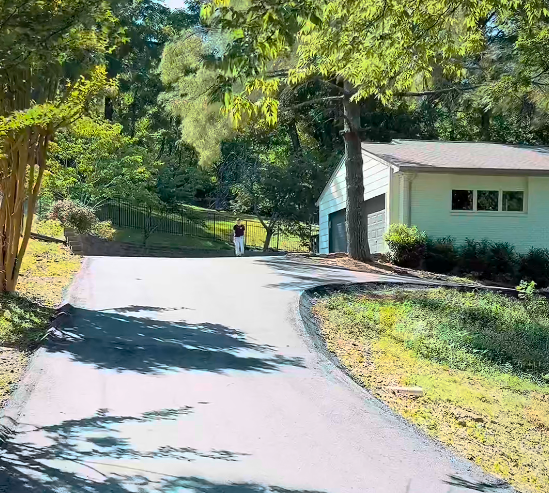
Pull into the driveway on a rainy afternoon in Lawrenceburg, TN, and you’ll understand why what we did here mattered. Before we stepped in, the driveway leading up to this single-family home was rough, sloped, and prone to runoff.

Today, it’s a smooth, jet-black asphalt ribbon curving gracefully through the woods — welcoming visitors and protecting the home below.

The Drive We Found

We first met the homeowners late last spring. Their property is tucked back from the street, down a gently curving slope, and surrounded by towering trees and lush grass. Over time, roots pushed up uneven spots, rainwater pooled in low areas, and the driveway’s surface broke apart.

They wanted more than a patch job. Their goals were clear:

  • Improve access to the garage, especially during wet or icy conditions
  • Boost curb appeal, so the driveway complements the wooded landscape instead of detracting from it
  • Create a surface that’s smooth and clean enough for daily use, parking, and reducing maintenance needs

But challenges loomed.

The long length of the driveway increases how much of slope and drainage issues that matter. Tree roots threatened prep work. Near-perfect grade was needed to prevent water from rushing toward the house, and the curves made it harder to maintain a uniform slope and clean edges.

How Nash Paving Solved It

Grading & Drainage First

We started by addressing the foundation. On this slope, if water doesn’t drain properly, asphalt cracks faster. We removed unstable soil, re‑graded the surface so that water runs off sideways and away from the house, not down the driveway.

Where tree roots had pushed up, we cut or removed them, backfilled with compacted base material, and re‑leveled.

The Asphalt Pour

Next came the asphalt paving. We laid down a fresh base course to build up structural integrity, then placed the topcoat — jet‑black, smooth, compacted perfectly.

Because the driveway curves and rises toward the garage, we paid careful attention to tapering, making sure the centerline is slightly higher for runoff, the edges are clean, and the transitions are subtle.

Edge Work & Finish

Rather than leaving ragged edges or letting nature encroach, we edged the driveway with clean cuts. Where the driveway meets grass or woods, there’s a crisp border.

The result: nothing ugly, no ragged transitions, and the surface ties into the property naturally.

What the Finished Driveway Offers

Outcome Before After
Smooth drive from street to garage Uneven, cracked, root‑lifted Seamless, jet‑black asphalt, easy ride
Water management in slope areas Runoff pooling, possible damage Proper drainage, minimal pooling
Curb appeal Weathered, uninviting entrance Clean, polished, visually pleasing in a wooded setting
Long‑term durability Prone to root damage, water damage Solid base, well‑graded, finished edges protect the asphalt


Thinking About a Driveway Like This?

If you’re considering a fresh driveway to match your vision and protect your property, let’s talk. At Nash Paving, we work in and around Lawrenceburg to deliver driveways that not only function well but bring pride upon arrival.

Contact us today for a free estimate, and we’ll walk your driveway together — measure the slope, assess trouble spots, and show options that look great and last for years. You’ll see why this transformation is more than asphalt; it’s an upgrade you’ll feel every day.

A Sleek and Seamless Transformation: Nash Paving’s Curved Driveway in Shelbyville, TN

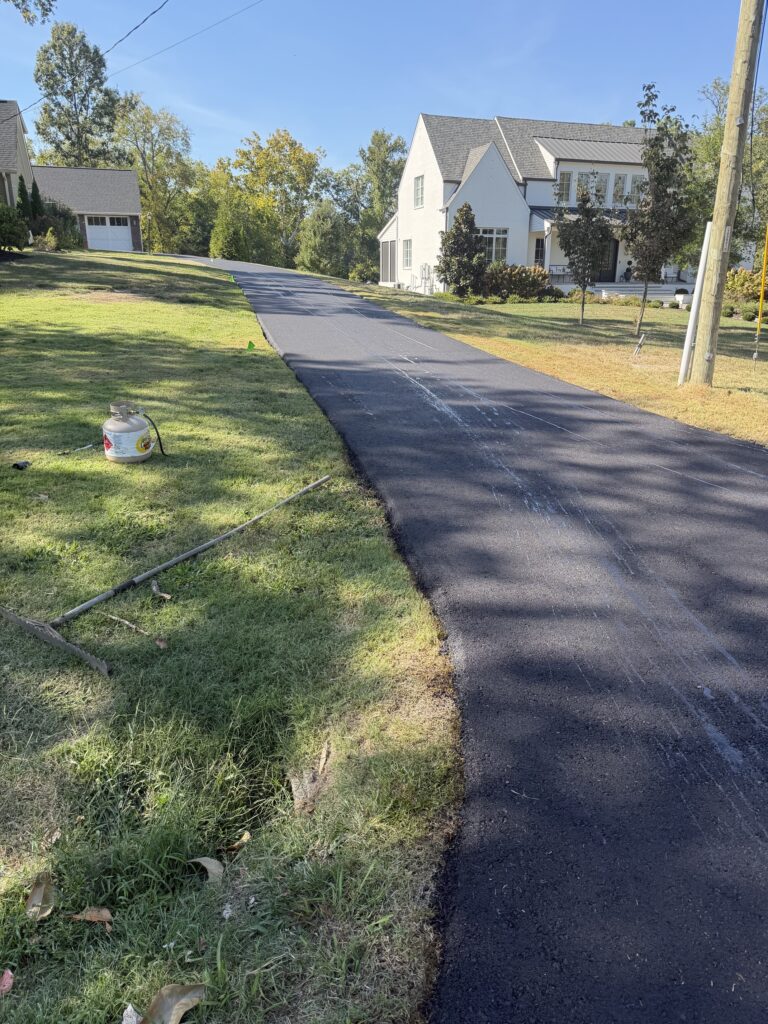
We were invited to breathe new life into a familiar driveway in the heart of Shelbyville, TN. Our goal? To deliver a clean, durable, and visually stunning pathway—one that not only improves access but also elevates the home’s curb appeal.

It was a chance to create something both functional and beautiful, rooted in the unique charm of a gently curving residential layout.

Steering Through Boundaries, Sculpting Smooth Curves

When our crew at Nash Paving arrived on-site, the homeowner explained what mattered most: a smooth, jet-black driveway that glides from street to side entrance, without disturbing the lawn or garden beds nearby.

The key was achieving a seamless connection to the public road while preserving the integrity of the landscaping.

We began with careful planning and layout, marking the curve that would guide traffic naturally.

Our asphalt team worked diligently to match the edge of the street, feathering the new surface into the existing asphalt without uneven steps. Alongside, we protected the lawn’s edges and nearby shrubs using barriers and minimal-grade grading.

Every step—from prepping the base course to laying the hot mix—prioritized precision.

The Driveway’s Renewal: Turning Vision into Reality

With the curve in place, we laid a fresh base that supports everyday use—families, services, and weather. As we spread the asphalt, the driveway came alive in rich, deep black, crisp against the green lawn.

The result?

A smooth ribbon of pavement that traces the property’s gentle curve, echoing the owner’s vision and the character of the neighborhood.

By blending with the street’s edge and preserving the surrounding landscape, we achieved a result that feels both natural and intentional.

It’s a durable surface ready for years of use, maintenance-free, and immediately enhances the home’s appeal.

A Result That Speaks in Stones and Shades

The payoff was immediate:

  • Visual impact—Jet-black asphalt contrasts beautifully with soft green grass, offering a modern, polished look.
  • Enhanced functionality—Smooth access from the street to side entry, free from awkward transitions or lawn disruption.
  • Landscaping preserved—Grass and plantings remain untroubled, integral to the home’s welcoming character.

Rooted in Shelbyville, Done by Nash Paving

In Shelbyville, roads twist gently among lawns and mature trees—a setting where a driveway is more than a route. It’s part of the story. That’s why our work always respects place: the Tennessee light on fresh asphalt, the feel of gentle slopes, the seamless integration that looks intentional, not imposed.

Ready for your own driveway repair or revamp?

If you’re in Shelbyville and dreaming of a driveway that combines strength, style, and harmony with your landscape, reach out to us. We’ll walk your property, plan around your space and planting, and bring the kind of smooth, elegant result you’ll be glad to come home to.

How to Avoid Downtime During a New Construction Parking Lot Installation

Installing a new parking lot is a big step in any Nashville construction project—whether it’s for a new retail space in The Gulch, a multifamily development in Germantown, or a medical facility near Vanderbilt. But while the lot itself may be the final piece of the project puzzle, delays or missteps here can ripple across your entire schedule and budget.

Avoiding downtime during parking lot installation isn’t just about speed.

It’s about smart planning, local knowledge, and precise execution.

At Nash Paving, we’ve worked on everything from commercial parking lots near the Nashville International Airport to mixed-use developments along Charlotte Pike. Below, we break down the key steps to keep your project moving forward without unnecessary slowdowns.

Key Takeaways

  • Early planning with Nashville agencies and utility providers helps avoid permit delays and keeps your construction schedule moving forward.
  • Local weather, soil, and traffic conditions must be considered to avoid downtime and keep your lot installation on track.
  • Signs of good progress include no permit issues, active crews, limited weather impact, and no delays to other trades.
  • A local paving team that understands Nashville can manage each phase efficiently and finish your project without last-minute problems.

Coordinate Early With Metro Nashville Public Works and Utility Providers

Getting ahead of red tape is essential in a fast-moving city like Nashville. Parking lot installations often require coordination with Metro Nashville Public Works, especially when dealing with curb cuts, drainage tie-ins, or sidewalk reconstruction.

Early communication ensures your permits are approved on time, inspections are scheduled without hiccups, and underground utility conflicts are avoided.

Don’t forget to loop in NES and Metro Water Services as well. Waiting on last-minute sign-offs from these agencies is a common cause of delay we’ve helped clients avoid.

Account for Middle Tennessee’s Unpredictable Weather Patterns

If you’ve lived in Nashville long enough, you know how quickly a sunny morning can turn into a downpour by lunch. That unpredictability can derail freshly poured asphalt or stall compaction work if it’s not factored into the schedule.

We always monitor forecasts closely, particularly during spring and fall when conditions can change fast. We also build weather buffers into our timeline, so the entire project doesn’t grind to a halt after one rainy afternoon in Donelson or Bellevue.

Design for Local Soil Conditions and Site Drainage From the Start

Not all ground in Davidson County is created equal.

Sites in Antioch or around Percy Priest Lake often have loamy or unstable subsoil, while areas near downtown tend to have more compacted urban fill. Ignoring these variations can result in delays from unexpected site remediation or rework.

We perform thorough soil compaction testing and drainage assessments up front, ensuring the base is built right the first time—especially critical for avoiding soft spots or standing water post-install.

Schedule Work Around Nearby Traffic and Peak Activity Hours

In bustling parts of town like Midtown or 12 South, heavy machinery and material deliveries can cause headaches if they’re not timed right.

We work with property owners and GC teams to avoid staging during rush hours, school drop-off windows, or during events like CMA Fest that can bring traffic to a standstill.

Thoughtful scheduling keeps crews productive and prevents your site from becoming a neighborhood bottleneck.

Phase the Job to Keep the Surrounding Construction on Track

When a parking lot is the last major piece of the puzzle, it’s easy to assume it’s isolated from the rest of the build.

But in reality, trades often rely on that area for staging, deliveries, or equipment access. That’s why we work closely with builders to phase the project—laying base in one section while finishing another, or paving in off-hours—so we’re not stepping on other crews’ toes.

On several projects in East Nashville, this collaborative approach has kept both our work and the client’s timeline right on track.

Choose Materials and Methods Proven to Work In the Local Climate

Asphalt mixes behave differently depending on the region, and what works in Minnesota won’t hold up the same way in Music City’s hot, humid summers. We use TDOT-approved warm-mix asphalt blends that are specifically designed for Middle Tennessee’s temperature swings.

We also apply surface sealants at the right curing stage to avoid cracking caused by the freeze-thaw cycles common in neighborhoods like Hillsboro-West End.

Signs Your Parking Lot Installation is Staying on Track in Nashville

When everything is running the way it should, you’ll see certain signs right on your jobsite. These are the markers we look for on Nashville projects to confirm a parking lot installation is staying on schedule and avoiding costly downtime.

Permits and Inspections Are Completed Without Delay

If your site isn’t being held up by missing sign-offs from Metro codes or delayed utility clearances, you’re on the right path.

This shows that permitting was handled proactively—a critical factor when working in tightly regulated areas like SoBro or around major corridors like Nolensville Pike, where utility easements are common.

Crews Are Working Consistently Without Idle Time

Downtime on-site—whether it’s trucks sitting idle or crews waiting for materials—is often a clear sign something’s gone wrong in the planning.

If your paving crew is moving efficiently from subgrade prep to asphalt placement, with minimal stops, your job has likely avoided scheduling and supply chain pitfalls.

This is especially important in high-traffic zones near I-40, where tight timelines matter.

Weather Impacts Are Minimal or Already Accounted For

If a week of rain hasn’t thrown off your entire project, your contractor planned ahead.

In neighborhoods like Sylvan Park, where site drainage is critical and ground conditions can vary, smart weather planning often makes the difference between staying on schedule and a multi-week delay.

Surrounding Construction Work Continues Without Interference

When framing, landscaping, or final MEP installations keep moving even while the parking lot is being installed, it’s a good indicator that the job was properly phased.

On several new builds in Green Hills, we’ve coordinated overlapping schedules so clients could wrap up interior work even as we finished grading and paving outside.

Take the Pressure Off Your Project Schedule

Downtime during a parking lot install is often the difference between opening your doors on time or missing key deadlines. Whether you’re building a new commercial center in Madison or a hospitality venue near Broadway, keeping things moving takes proactive planning and a contractor who knows the local landscape.

At Nash Paving, we specialize in helping builders and property owners stay on schedule by delivering efficient, code-compliant parking lot installations tailored for Nashville’s climate, traffic patterns, and permitting requirements. From early planning to the final sealcoat, we keep every piece moving so your project finishes strong.

Let’s keep your build on track—schedule a consultation with us today.

We’ll walk your site, review your schedule, and build a customized plan to complete your parking lot with zero unnecessary downtime.

Frequently Asked Questions

How much space is required for equipment access during installation?

We typically need 10 to 12 feet of clearance for equipment movement, especially for rollers and dump trucks. Tight urban sites in Nashville may require pre-planned staging and equipment sequencing to stay efficient.

Can you help with stormwater compliance or retention requirements?

Yes, we install catch basins, trench drains, and retention areas to meet Metro Nashville stormwater codes. We coordinate with civil engineers to ensure your lot meets local environmental and drainage regulations.

Do you offer per-project or ongoing maintenance contracts after installation?

We offer both. Some clients choose one-time sealcoating, while others sign up for yearly inspections, crack filling, and striping. We tailor plans based on traffic load, lot size, and exposure.

What happens if there’s an unexpected underground issue during excavation?

If we uncover unexpected utilities or poor soil, we pause work and coordinate with the GC or utility locator. We provide solutions quickly to minimize disruption and keep your project moving forward.

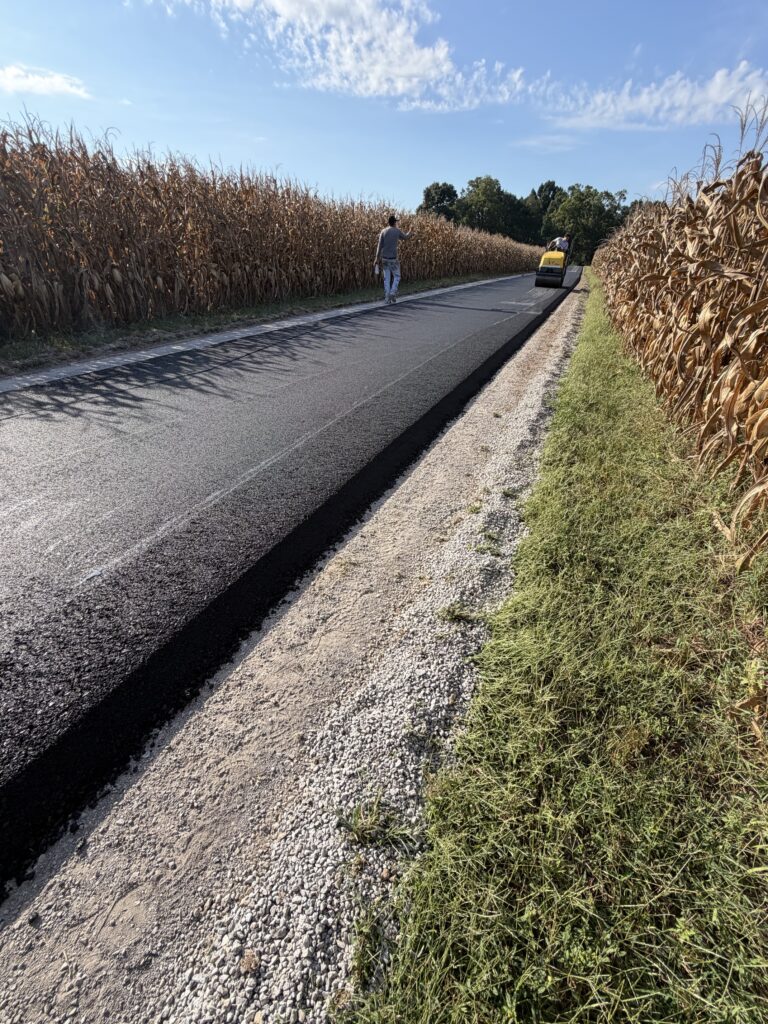
Paving a Clear Path in Hazel Green, AL

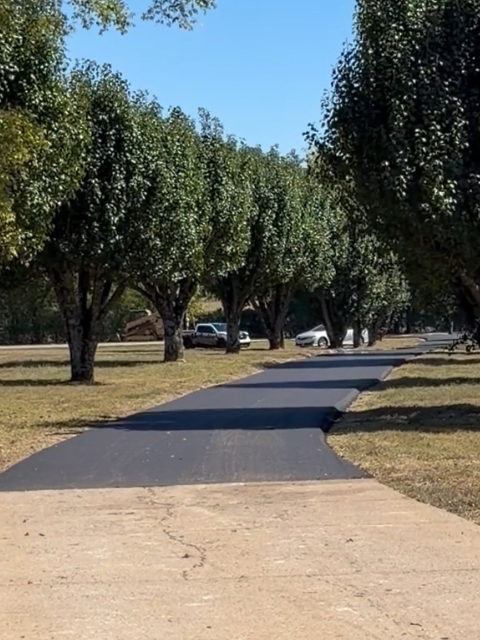
In Hazel Green, AL, open farmland and rolling green lawns are part of everyday scenery.

But while that natural beauty is a joy to live in, it can also make getting around tricky—especially after a heavy rain. Our recent asphalt paving project gave one local property owner a reliable, attractive path that blends into their rural setting while delivering the durability they needed.

From Grass to a Solid, Smooth Surface

When we first visited the property, the pathway location was all grass, stretching through a wide-open field. While picturesque, it wasn’t practical for vehicles or frequent foot traffic.

Mud and ruts were becoming a problem, and the owner wanted something permanent that would make getting from point A to point B easier in all weather.

We designed a new asphalt path to solve both the accessibility and maintenance issues.

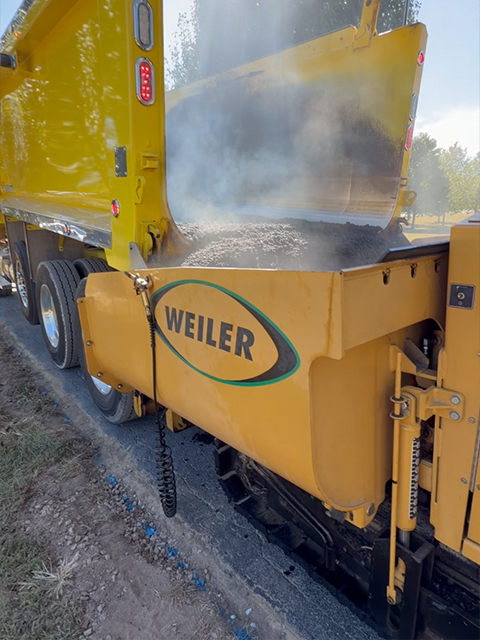
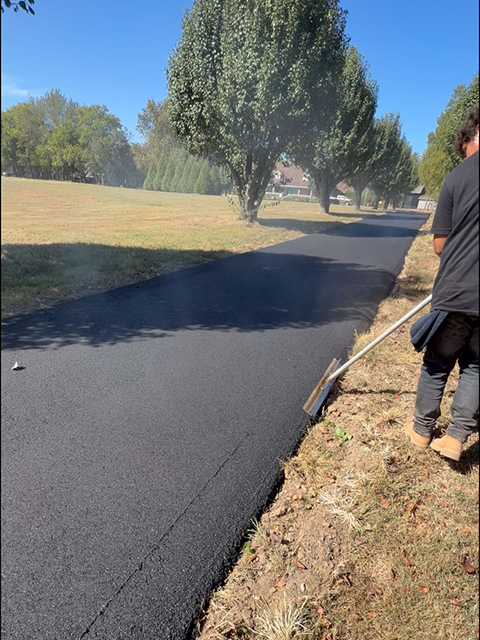
After preparing and compacting a strong base layer, we carefully applied a smooth layer of fresh asphalt. Our crew worked methodically to ensure the surface was even from start to finish, paying special attention to the edges so the surrounding lawn stayed neat and intact.

Beating the Weather and Protecting the Lawn

Hazel Green’s weather can change quickly, and on paving day, we had dark clouds hanging in the distance. Our team coordinated timing carefully to make sure the asphalt was laid and compacted before any rain could affect the finish.

In a rural setting like this, controlling dust, debris, and equipment traffic is important, so we staged our trucks and machinery to keep the grass looking its best.

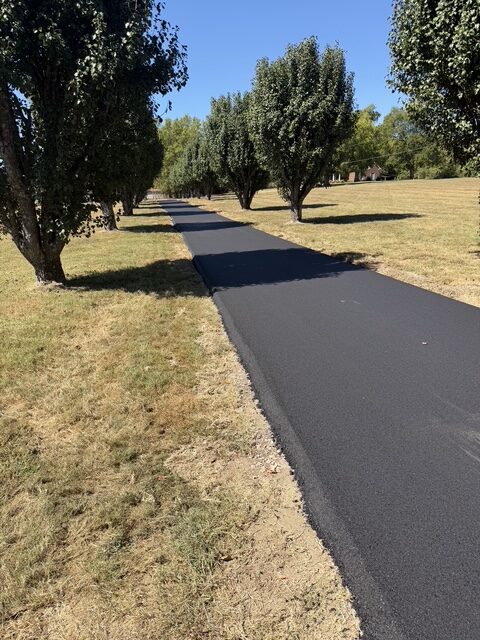
The result is a clean, straight pathway that feels like it belongs on the property.

The black asphalt contrasts beautifully with the lush green grass, giving the space a crisp, finished look without disrupting its open charm.

Ready for Years of Reliable Use

This new paved surface means no more muddy shoes, stuck tires, or washed-out ruts after a storm. It’s now easy for cars, golf carts, or even bicycles to pass through in any season. Asphalt’s durability means the owner can expect a long-lasting, low-maintenance solution that adds both function and value to their land.

As we stood back to take in the finished work, the property looked instantly more polished, and the owner could already envision how much simpler day-to-day life would be with this upgrade.

Get Your Hazel Green Property Paved Right

If you have a property in Hazel Green or the surrounding countryside that could benefit from a smooth, dependable asphalt surface, Nash Paving is ready to help.

Our team understands the unique needs of rural and semi-rural properties, and we know how to get the job done right the first time. Call us today to schedule your on-site evaluation and see how a well-paved path or driveway can transform your space.

How Does Soil Type in Nashville Affect Your New Driveway Foundation?

If you’re building a new driveway in Nashville, the type of soil beneath it can make or break the results. While concrete and asphalt may seem like the main players, it’s the ground underneath that truly determines the long-term strength and durability of your driveway. And here in Middle Tennessee, soil conditions can vary drastically from one part of Davidson County to the next.

At Nash Paving, we’ve worked all over the city and know how critical it is to account for local soil when preparing a solid foundation.

Key Takeaways

  • Clay soil in Woodbine and Antioch shifts with moisture and can crack your driveway during dry or rainy seasons.
  • Shallow bedrock in Forest Hills and Bellevue limits digging depth and requires special base prep for stable driveways.
  • Silty soil near Germantown and Shelby Park holds water and needs proper drainage to prevent erosion or frost damage.
  • Hilly ground in West Meade and Green Hills causes runoff that can wash out the base without erosion control steps.
  • Driveways in Nashville last longer when built by local pros who adjust to soil conditions across every neighborhood.

Expansive Clay Soils in East and South Nashville Can Lead to Cracking

In neighborhoods like Woodbine, Berry Hill, and Antioch, we often run into heavy clay soils. These types of soils swell when wet and shrink when dry, which creates movement under the surface of your residential driveway.

That constant shift puts stress on the slab or asphalt and can lead to early cracking and uneven surfaces. It’s especially tricky during Nashville’s wet springs and dry summer spells.

To handle these areas, we typically recommend a thicker base layer, proper drainage, and sometimes even soil stabilization techniques to counter the expansion and contraction cycles common in these parts of town.

Shallow Bedrock in Bellevue and Forest Hills Can Impact Excavation Depth

In the western and southern areas of Nashville—places like Bellevue, Forest Hills, and along Old Hickory Boulevard—you’ll find shallow limestone bedrock just a few inches below the surface. This makes excavation more challenging, and it limits how deep we can go to lay a proper sub-base.

If not addressed properly, the result is an asphalt driveway that sits on a thin or unstable base, which can shift or crack over time.

At Nash Paving, we adjust our excavation methods and equipment in these zones and often use heavier machinery or alternative layering so the driveway holds up, even when working around hard rock.

Loose, Silty Soils in the Cumberland River Basin Create Drainage Concerns

Closer to downtown and along the river—think Germantown, The Nations, and areas near Shelby Park—you’re more likely to deal with loamy or silty soils. These fine particles don’t compact well on their own and can retain water, which means drainage must be carefully planned.

Without the right base materials and slope grading, water can pool beneath the driveway and lead to erosion, potholes, or frost heave during the winter.

We often use a geotextile fabric layer and well-graded crushed stone in these parts of Nashville to create better support and encourage water to move away from the foundation.

Hilly Terrain in West Meade and Green Hills Affects Water Runoff and Stability

Driveways on sloped properties, like those in West Meade or Green Hills, come with their own set of soil-related issues. The combination of elevation changes and looser topsoil means you’re dealing with runoff that can undermine your driveway if it’s not properly managed. Erosion control is key here, and the type of soil plays a big role in how well the ground holds its shape.

We often incorporate retaining borders, compacted sub-bases, and drainage swales in these areas to keep the driveway secure and prevent soil washout during heavy rainstorms.

Old Fill Soil in Infill Development Areas Like 12 South and Sylvan Park Can Settle Over Time

In neighborhoods with a lot of recent infill or redevelopment—like 12 South, Sylvan Park, or Wedgewood-Houston—we frequently see lots that were backfilled decades ago with non-native or mixed soils. These fill materials often weren’t compacted properly, and over time, they settle unevenly, causing the driveway to sag or crack.

When we spot these conditions during an initial site inspection, we dig deeper—literally—to remove unstable soil and rebuild the subgrade using compacted aggregate. This gives the driveway a dependable base, even on lots with a history of construction disruption.

Protect Your Investment with a Driveway Built for Nashville’s Soil

If you’re putting in a new driveway, you don’t want to skip steps when it comes to soil prep. The wrong foundation can mean cracks, shifting, and expensive repairs down the road.

At Nash Paving, we understand the soil quirks of every neighborhood in Nashville—from the clay pockets in Donelson to the rocky ground near Radnor Lake. We take the time to assess your specific property and tailor our approach so your driveway stays smooth, level, and strong for years to come.

Need a driveway that’s built to last on Nashville soil?

Give us a call today to schedule a free site evaluation and get a quote. Let us help you start your project the right way—with a solid foundation under your tires.

Request Estimate